-
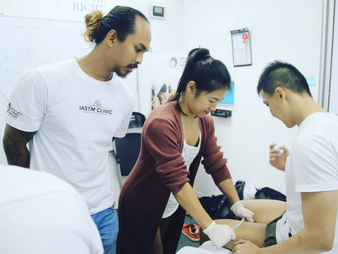
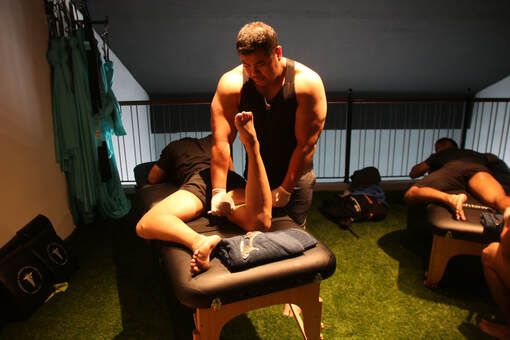
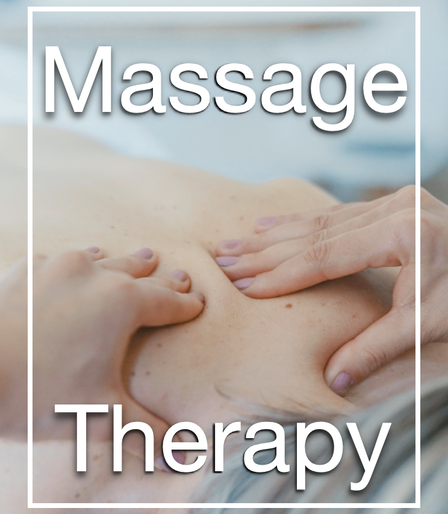
To attend a sports massage course in Singapore can be done by everyone wanting to offer sports massage or stretch therapies. Both stretch & sports massage therapy treatment is a one-one treatment, however, both courses teach an entirely different approach in using massage or stretch as therapy. Both of the course are easily incorporated in the gym or clinic settings, stretch therapy being more clinically in-depth with regard to the CNS, fascia, & approach in treating & management of pain(sports injuries) when compared to a sports massage course in Singapore
-
Functional Stretch Therapy
Would you like to learn how you can start offering stretch therapy as a one to one service to client to improve athletic performance(athletes), or a patient, to help decrease/ manage body pain, & improve their mobility/ flexibility? Well you're in luck because contrary to our belief on self stretching to improve flexibility, that is does not not increase your range of motion due to the nervous system. The stretch therapy course will expose the therapist on science of the nervous system, & how it can aid with better function through accurate muscle activation(improved strength) which would improve blood flow, range of motion(movement), mobility in joints, & ultimately help your clients experience a change in their overall quality of their life/ health.
-
If you are confused with all the information of Instrument Assisted Soft Tissue Manipulation, we understand how frustrating it must be for you. Lucky for you we have answers to your question or in this case confusion. In this article we will help you understand the differences between the acronyms & if they are related, the same, or similar in context
IASTM vs ASTYM vs Graston vs ASTYM
Firstly, let's lay out what they(tool-assisted tissue release) mean, individually, before we talk about the context of their various tools and the difference between them.- IASTM: Instrument Assisted Soft Tissue Manipulation
- ASTM: Assisted Soft Tissue Manipulation
- ASTYM: Augmented Soft Tissue Mobilization
- Graston: Is the Inventor & Developer's name of the first IASTM based tools (Graston technique) that is introduced to the world of clinicians with their own systematic approach of MSK treatment.
What Is IASTM Therapy?
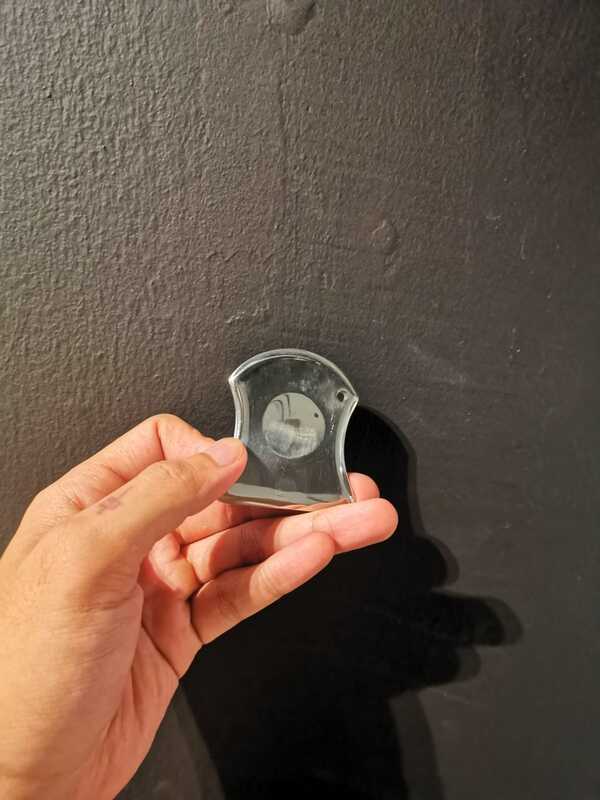
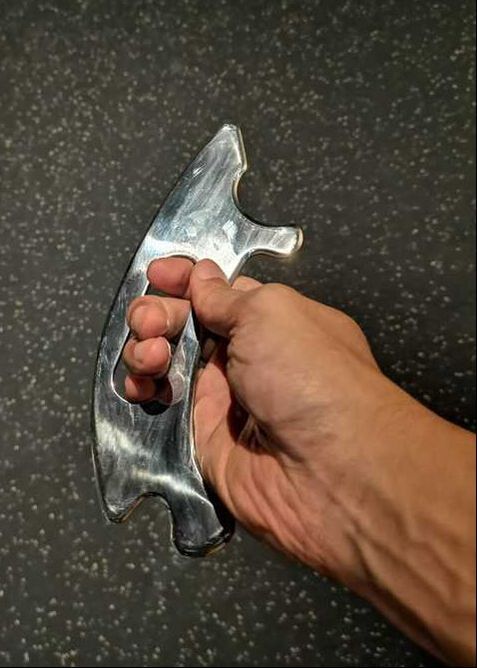
The soft tissue mobilization tools which is made of surgical grade stainless steel, are widely used in different clinical settings which can include, Chiropractic, Physical Therapy, Sports Medicine centre, & other Manual Therapy practices. Using tool assisted soft tissue mobilization, the therapist can help with either recovery, scar tissue therapy, pain management, or reduction, & induce healing via inflammation response/cycle. Following IASTM treatment added during physical therapy, the patients are also asked to go through selective exercise/movement to help with a new adaptation of the tissues.One simple way to visualize how any IASTM tool is used in a clinical setting would be the application of various techniques that are specific to help treat eg, plantar fascia pain (commonly known as plantar fasciitis), where the different bevel, curves, & shapes would be used to stroke onto the patient's
More commonly found in a clinical setting such as a physical therapy clinic, is the treatment of plantar fascia pain (also known as plantar fasciitis), which causes someone to adjust their movement mechanics that may be exacerbated by weight-bearing activity & is more painful after upon waking up. Using the tools, the physical therapist will use various IASTM techniques that are specific to start the healing process of the soft tissues not only at the affected area, but to the ankle, Achilles tendon, & calves as it can be done quickly to cover the lower quadrant area. Following IASTM work, the patient is put then into a functional exercise program.
Is IASTM evidence based?
Though, still in its infancy stage, most of the recent clinical studies on the Assisted Soft Tissue Mobilization technique as a stand-alone is suggesting that the effects on the soft tissues have a much better outcome when combined with physical therapy versus just using the tools.What Is The Difference Between IASTM & ASTYM
You are about to be shocked after you know the difference. The difference between these two, technically, is the tool. The rest of what you are about to learn in terms of application on sports recovery, dysfunction, pain, & etc essentially is the same. There is however, one more difference to them, one stands for Instrument Assisted Soft Tissue Manipulation, the other, Augmented Soft Tissue Mobilisation. There is no other base of principles that using any soft tissue mobilisation IASTM which does not cover the basic fundamental of promoting inflammatory response & to mobilise the connective tissue by the application of different techniques.Where To Learn The Best IASTM Course?
If you want to learn how to:
Incorporate Soft Tissue Mobilization(IASTM) into your treatment practice,
have a strong foundation on techniques,
avoid common mistakes that many experienced users are still doing(thus not increasing their referrals),
get results with different case & scenarios
learn to use various tools currently in the market
gain a more effective solution to your current iastm approach
learn how to add iastm into your manual therapy sessions
do professional homework with IASTM
get yourself signed up with our IASTM CLINIC today. -
Personal Trainer Course VS Sports Medicine Certificate Studies
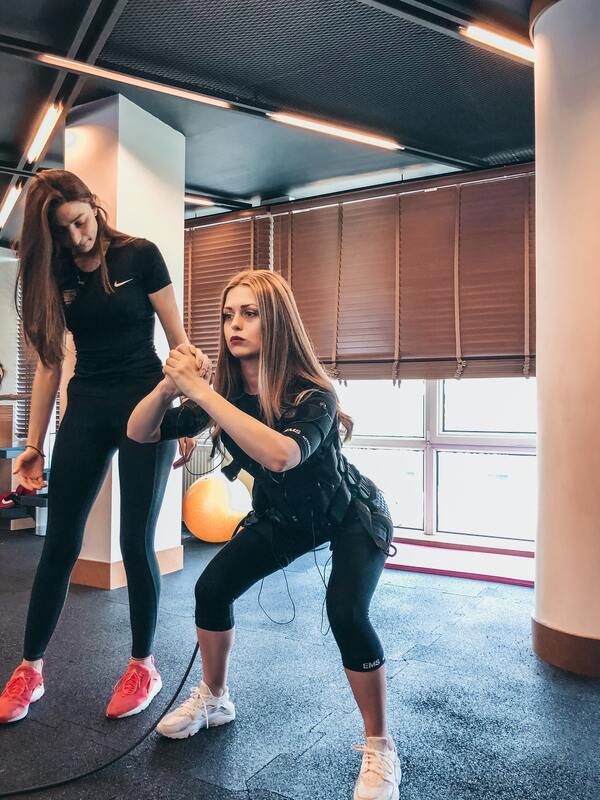
Read to find out as we compare how you can make a better informed choice to choosing a personal trainer certification that is designed to separate you from the rest of the personal trainers.- Do you want to help coach people to get fit & get results with exercises?
- Are you thinking to become a personal trainer in Singapore?
- Are you looking for a certified personal trainer (CPT)certification course?
- Are you confused to which course is the best personal training course / certification to help you train clients get fit?
If your personal answer is yes to all three questions, well then you’'re already halfway to switching career to the health and fitness industry as a personal trainer, motivating clients to better their health with effective personal training program. There's more to being an instructor trying to keep someone fit with strength training or functional certification course.
-
4 Crucial Info On Dry needling You Need to Know
This article is to help you be informed of what dry needling therapy is, potential dangers of it, & if it is something that you actually need albeit many clinicians providing them. We cover the top 4 questions that will help understand this topic- What is the difference between acupuncture and dry needling?
- What is dry needling good for?
- How painful is dry needling?
- Is dry needling dangerous?
-
An article on Instrument Assisted Soft Tissue Manipulation that will shine some light on some commonly asked questions & misconceptions on the tool & its many applications.Here is what we will be covering;
- What is IASTM?
- What does IASTM mean?
- What is IASTM used for?
- What is the difference between Astym, Rock Blade, IASTM CLINIC, Graston etc?
What is IASTM?
In a sentence the answer would be, IASTM is the act of a qualified clinician using a surgical grade steel tool to assist with the assessment, manipulation / or mobilization of the connective tissue to promote healing & reconstruction of the collagen (connective tissue) through fibroblast proliferation.
IASTM is known to be used successfully by professionals such as physiotherapists (physical therapist), chiropractors, sports medicine specialists, strength coaches, rehab specialists, & even competent personal trainers, as a strong base of understanding of human physiology, pathology, & anatomy is needed to effectively increase the efficacy of adding IASTM into the session.
What does Iastm mean
There are two main meaning behind the acronym of IASTM.1. Instrument Assisted Soft Tissue Manipulation
This refers to the clinician using the tool to help with the manipulation of the soft tissue. The main intent of this act is to cause inflammatory response & elicit a healing cycle to take place after inducing micro trauma to the affected area.2. Instrument Assisted Soft Tissue Mobilisation
This refers to the practitioner using the tool to help with soft tissue mobilization of the concerned area. The intent of this act is to allow any fascial restriction to increase mobility & improve elasticity.What is IASTM therapy?
IASTM therapy is also classified as regenerative , complimentary manual therapy, or manipulative therapy, which is used as an add on to other modality promoting a fuller, & optimal outcome of treatment using a complimentary tool such as IASTM.
Before the tool assisted soft tissue mobilisation, many manual therapists have reported a short-lived career in massage therapy due to inflammation & wear & tear of the hands, & thus not being able to serve as many clients or patients as they want to, but until IASTM tools was introduced into the market, it has evolved not only to help with prolonging a therapists hands but also in the aspect of techniques & applications as more pilot experiments are done by clinicians worldwide, making the tool get a wider variety of applications from being a non-invasive & simple enough to use with some basic knowledge, however, only limited to what you can do with your background education on the human body.
There is plenty of positive clinical outcomes by clinicians worldwide that have used IASTM to help treat conditions like chronic low back pain caused by fascial restrictions. IASTM as well shortens the time spent on working on a patient in a case such as sport massages, trigger point therapy or scar tissue work, cross friction, & so on from a typical session of 45 mins 60 mins to in just a few minutes using techniques from IASTM applications.What is IASTM used for?
The IASTM tools are amazing at being able to treat a wide range of pain-related to neuromusculoskeletal to the dysfunctions of the body. A non-exhaustive of what conditions an IASTM tool has been used list includes:
- medial/lateral epicondylitis
- fibrotic tissue (scar tissue)
- back pain
- trigger points
- frozen shoulder
- IT band syndrome
Apart from that, IASTM is also mainly used to help with saving a manual therapists' hands by helping transfer force onto the tool so that the therapist's hands lessens the water & tear of the joints with regards to the thumbs, finger, wrists & even up to the elbows/shoulders. The tool is found most effienct in doing so, thus helping to induce inflammatory response quicker with less effort.
What is the difference between Astym, Rock Blade, IASTM CLINIC, Graston etc? The notable thing for this question is to know that:- Graston
- Rock Blade
- Astym
- IASTM CLINIC
- & any other names
is just a name (to be precise, a brand) to a system that the person or company is setting its principles of application, techniques, who their target market is such as health care professional, & is it exclusively for chiropractor, or physical therapists or performance coaches & whatever is associated with that particular education provider is.
All of the providers advocate on the value of providing soft tissue mobilisation (iastm) therapy, however, a varying degree of principles to approaching & treating a dysfunction relating to the musculoskeletal system will be there. Graston's education instruments are amongst the best providers for instrument base therapy, leading with studies & developments for application/techniques.
All this comes with a heft price tag of course, & if you're looking for a cheaper option, you have the rest of the world to scour for. Depending on where you are based at, you can find a provider, some fly across the globe to take an AISTM certification as they're not as fortunate to some people who are at an area where it all happens with the big names mentioned above.Price from the list mentioned above to compare:
- Graston tools / certification (The M1 is USD$650. The M2 is USD$695. The full set of 6 instruments costs USD$2295 Total costs USD$3640)
- Rock Blade (USD$850)
- Astym (USD $1995 One Time Payment or+ $995/yr for 4 years)
- IASTM CLINIC (SGD 550 with an additional 10% off for those already certified under different organisation)
Note: The information above was derived directly from their respective websites.
Apart from the way they do things, the tools as well are manufactured independently by their own manufacturer. All of the tools have their merits & can only do so much that is one of the reason why you would always need more than one tool to accommodate a session from superficial to deep tissue work, & from mobilising to manipulation. Each tool is designed specifically for the best ergonomic to provide optimal comfort for both the clinician & patient/ client.
However, still, the tools do have their limitation on where it can be applied on & what to look out for prior to applying the techniques, & that takes us to the end of this topic on instrument assisted tools. For more information on learning how to treat & manage conditions using instrument-assisted, you can find more info here, & if you wan to buy a tool for less than SGD100 you can do so here, price includes international delivery, that means you pay a flat fee for the tool, yup, SGD99.
#IASTMCLINIC
-
Both sports science & sports medicine studies lead to a very broad spectrum of careers & specialties. If you have something that you want to achieve in career settings, it will be easier to choose which to study from & take yourself further. For those asking this question which is better, this article will help firm up which is the one you are looking for & why you should be studying either sports science or sports medicine.
-
With a plethora of IASTM tools & people using IASTM in private practise without supervision or proper training, & the increase of people on social media, promoting it like a quick fix, we dive into the top 3 worst things you can do when using IASTM.
-
Become a Personal Trainer
So what does it take for you to be a successful personal trainer? Firstly you have to have a strong knowledge of- human anatomy
- physiology
- exercise prescription
- corrective
- programming
- nutrition (basic)
- business & marketing
- physical assessments
- how to listen (yes big ears is a must)
As it is, in Singapore, being a personal trainer is a low entry level profession, which means anyone with or without formal education can call themselves a personal trainer. This is because there is no governing body for personal trainers so it is left to the individuals who wants to keep the standards high according to the standards set out from UK Australia and so on.Most of the certification courses that qualifies you to work as a personal trainer in a gym, is a weekend course done online or maybe a two week in person studies which of which is done once or twice a week only, then comes the exams.
There are also the two year continuing education part that you will constantly be aimlessly going around looking for other courses to keep your personal training certificate current. Not a bad thing if you don't have any future goals to become a professional trainer or therapist, so you will keep doing courses after courses without any specialisation or knowledge that keep you in the par of other health professionals that you can work with, communicate clearly, or refer to.
The Sports Medicine Certificate studies is a 1 year long formal studies with you learning both online & in person to learn orthopaedic assessments, exercise programming, many other exercise modalities, & much more. Which means you will be an independent practitioner to help clients for both pain & performance, & still work with other healthcare providers such as physiotherapists, chiropractors, & sports medicine centres.
Being a personal trainer is super easy, being a registered sports medicine trainer is on another level altogether. If you would like to learn & separate yourself from an average personal trainer, study with the Sports Medicine course.